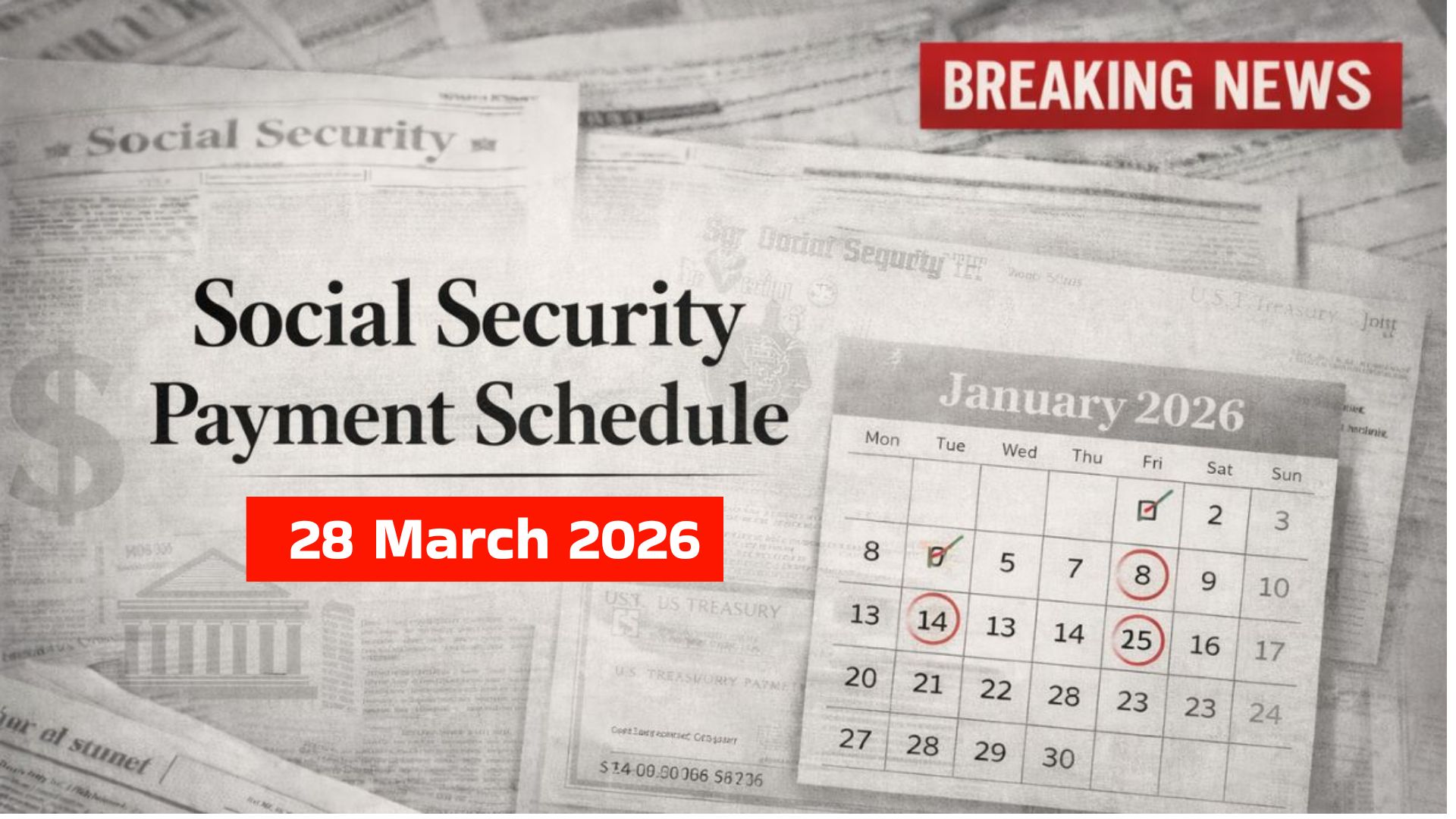
As Americans step into 2026, a primary concern for millions relying on Social Security benefits is pinpointing the exact date their payments will land in their accounts. This certainty is crucial for retirees, Social Security Disability Insurance (SSDI) recipients, and those receiving Supplemental Security Income (SSI). Understanding the official schedule provided by the Social Security Administration (SSA) becomes even more vital in January, where New Year holidays can slightly shift payment timelines.

Understanding the Payment Structure
The SSA operates on a structured monthly payment system designed to handle the massive volume of transactions smoothly and efficiently. This system ensures that banks are not overwhelmed and that processing delays are minimized. The key factors determining your payment date include when you started receiving benefits and your birth date. For individuals who began collecting benefits before May 1997, January’s payment in 2026 will be issued on March 28, ensuring a straightforward process unaffected by birth dates. This applies across the board to retirement, SSDI, and survivor benefits within this category.
Post-May 1997 Payment Schedule
For those who began receiving Social Security benefits after May 1997, the payment distribution shifts to a Wednesday schedule based on birth dates. This staggered approach is particularly effective in managing the large number of beneficiaries by spreading out deposits over several weeks. It enhances efficiency and reduces the likelihood of errors or delays in getting payments to individuals on time. Each recipient’s Wednesday is determined by their specific birthday week, ensuring that funds arrive consistently according to this cycle.

Supplemental Security Income Adjustments
SSI payments usually reach recipients on the first day of each month. However, unique circumstances such as federal holidays like January 1st alter this routine schedule. In 2026, because January 1st falls on a holiday, SSI recipients will receive their payment earlier—on December 31, 2025. It’s important to note that this early deposit is not an additional payment; rather, it is a proactive measure by the SSA to maintain consistent monthly assistance without interruption due to holiday banking closures.

Steps if Payments Are Delayed
In situations where Social Security or SSI payments do not arrive as expected, beneficiaries should initially verify with their financial institutions for any processing issues or banking delays. If there’s confirmation from the bank of no deposit, contacting the SSA directly becomes necessary. The administration is equipped to address these issues promptly and can arrange for reissuing payments if required. Knowing these steps ahead of time aids beneficiaries in mitigating potential stress associated with missing payments.
Importance of Staying Informed
Staying informed about your Social Security benefits schedule helps significantly in planning your monthly budget for essential expenses like housing, utilities, food, and medical care. This foresight is especially crucial at the beginning of the year when financial demands are high due to various annual commitments and potential winter-related costs. The SSA also keeps beneficiaries updated through official notifications and online accounts to ensure continuous awareness about any procedural changes or updates in their services.

The January 2026 Social Security payment timeline adheres strictly to predetermined schedules with minor adjustments accommodating holiday disruptions. Whether you’re a retiree or someone dependent on SSDI or SSI, knowing when exactly you’ll receive your funds brings peace of mind and aids better financial planning as you navigate through another year.
Disclaimer: This article is for informational purposes only and does not constitute financial, legal, or benefits advice. Social Security rules can change; consult directly with the SSA or a qualified advisor for personalized guidance regarding your situation.